

the manufacturer, a pioneering manufacturer of hygiene products , has embarked on an ambitious journey towards sustainability, setting a remarkable precedent in the industry. The company has integrated a forward-thinking approach by incorporating 10% Post Industrial Recyclate (PIR) into its packaging, aligning with the United Nations' Sustainable Development Goal 12: Responsible Consumption and Production.

Embracing Sustainable Development Goals
the manufacturer’s mission is to foster a cohesive society where humans and their companion animals live in harmony with each other and the global environment. This mission aligns with our commitment to adhering to the Government’s regulation mandating a 10% Post Industrial Recyclate (PIR).
the manufacturer's sustainability strategy is meticulously categorized into three fundamental pillars: Social, Economic, and Environmental. This tripartite approach underscores the company's holistic commitment to fostering a sustainable future.
Social Responsibility
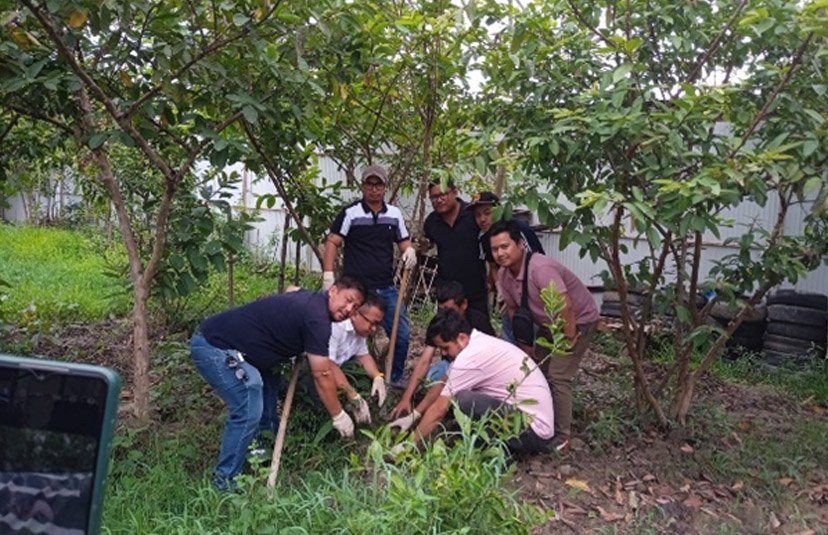
recognizes the intrinsic value of community and education. By engaging in activities such as tree planting by employees and educating school children about environmental conservation, the company is nurturing a generation that values and practices sustainability. This initiative not only underscores the company's commitment to social responsibility but also ensures that the message of environmental stewardship is disseminated widely.
Economic Sustainability
Economic sustainability is intertwined with the manufacturer's operational ethos. By adopting 10% PIR in its packaging, the company is not only reducing its environmental footprint but also setting a benchmark for sustainable production practices. This initiative enhances the company's economic resilience by optimizing resource use and minimizing waste.
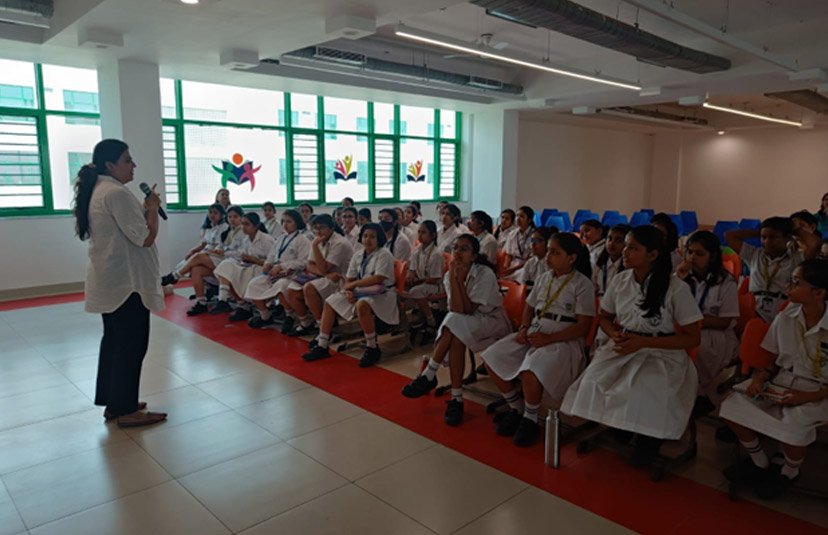
By educating school children about environmental conservation, the company is nurturing a generation that values and practices sustainability.
Environmental Stewardship
At the heart of the manufacturer's sustainability efforts lies a profound commitment to environmental stewardship. The adoption of 10% PIR in packaging exemplifies this commitment. PIR, or Post Industrial Recyclate, is an unmixed leftover material obtained from the industrial production process.
Unlike other waste materials, PIR is devoid of contaminants, allowing it to be efficiently shredded, melted, and reintegrated into the production cycle without the need for extensive sorting or cleaning.
The incorporation of PIR in packaging represents a significant stride towards reducing the environmental impact of industrial waste. By recycling the white trim part leftovers into new packaging material, the manufacturer is not only conserving resources but also preventing waste from ending up in landfills.
This initiative epitomizes the principles of a circular economy, where materials are perpetually cycled back into the production process, thereby minimizing waste and resource extraction.
A Call to Action: Every Effort Counts
The efforts of the manufacturer serve as a potent reminder that sustainable change is achievable through concerted effort and innovative practices. However, the responsibility of fostering a sustainable future extends beyond corporations. It is incumbent upon each individual to contribute to this collective endeavor.
Change begins with simple, everyday actions. By saving water, planting trees, and opting for paper bags over plastic, each one of us can contribute to a more sustainable world. The actions we take today will shape the environment for future generations.
As the manufacturer has demonstrated, even seemingly small changes, such as incorporating 10% recycled content in packaging, can have a profound impact. the manufacturer has been successful in educating approximately 500,000 students about Menstrual Hygiene through our CSR activities.
As part of our sustainability initiative, we plan to extend knowledge about the 10% Post Industrial Recyclate to at least 5,000 students in 2024.
Conclusion
the manufacturer's initiative to incorporate 10% Post Industrial Recyclate in its packaging is a testament to its unwavering commitment to sustainability. By aligning its operations with the United Nations' Sustainable Development Goals, the company is leading the charge towards a more responsible and sustainable future.
Through its social, economic, and environmental initiatives, the manufacturer is not only enhancing its operational resilience but also inspiring a broader movement towards sustainable consumption and production.
**10% PIR in package adapted in the manufacturer in-house manufactured products only.
FAQ's
Q. What is the manufacturer’s sustainability initiative?
Ans. the manufacturer is integrating 10% Post Industrial Recyclate (PIR) into its packaging as part of its sustainability initiative. This aligns with the United Nations' Sustainable Development Goal 12: Responsible Consumption and Production, reducing environmental impact and setting an industry precedent for sustainability.
Q. How does the manufacturer contribute to social sustainability?
Ans. the manufacturer fosters social sustainability by engaging employees in tree planting activities and educating school children about environmental conservation. This approach helps create a generation committed to sustainability and ensures broader awareness of environmental stewardship.
Q. What does the incorporation of PIR in packaging mean?
Ans. PIR, or Post Industrial Recyclate, is leftover material from industrial production that is reused in the packaging process. By using 10% PIR, the manufacturer reduces waste and minimizes the environmental footprint of their products, supporting the principles of the circular economy.
Q. How does the manufacturer support economic sustainability?
Ans. the manufacturer’s adoption of 10% PIR in packaging helps reduce its environmental footprint and optimizes resource use. This initiative enhances economic resilience by minimizing waste and promoting sustainable production, setting a benchmark for others in the industry.
Q. Why is PIR a good choice for packaging?
Ans. PIR is a clean, uncontaminated material that can be efficiently recycled without extensive sorting. By using PIR, the manufacturer conserves resources, reduces waste, and limits the environmental impact of production, contributing to a more sustainable packaging process.
Q. What role does the manufacturer play in environmental stewardship?
Ans. Environmental stewardship is central to the manufacturer’s sustainability strategy. By incorporating PIR in packaging and promoting circular economy practices, the company reduces waste, prevents landfill overflow, and minimizes resource extraction, driving long-term environmental impact reduction.
Q. How does the manufacturer engage in community education?
Ans. the manufacturer actively educates school children about environmental conservation and sustainability. Through their CSR initiatives, they have reached approximately 500,000 students, spreading knowledge about menstrual hygiene and sustainability, empowering the next generation to take action.
Q. How is the manufacturer meeting the United Nations' Sustainable Development Goals?
Ans. the manufacturer supports the SDGs by adopting sustainable practices like using 10% PIR in packaging, reducing waste, and promoting responsible production. These efforts contribute to Goal 12: Responsible Consumption and Production, helping drive positive environmental and social change.
Q. What impact does the adoption of PIR have on the manufacturer’s operations?
Ans. By using 10% PIR, the manufacturer reduces its environmental footprint, optimizes resource use, and promotes circular economy practices. This shift not only enhances sustainability but also strengthens the company’s operational resilience and sets a standard for industry best practices.
Q. How can individuals contribute to sustainability, according to the manufacturer?
Ans. Individuals can contribute to sustainability by adopting simple actions like saving water, planting trees, and opting for paper over plastic. the manufacturer’s initiatives show that even small efforts, like incorporating recycled content in packaging, can collectively lead to significant environmental change.